Insights · Surveillance · 9 June 2026 · 5 min read
The quiet threat: recognising hostile surveillance early
Almost every serious incident is preceded by watching. Learn what hostile surveillance actually looks like — and what to do if you suspect it.
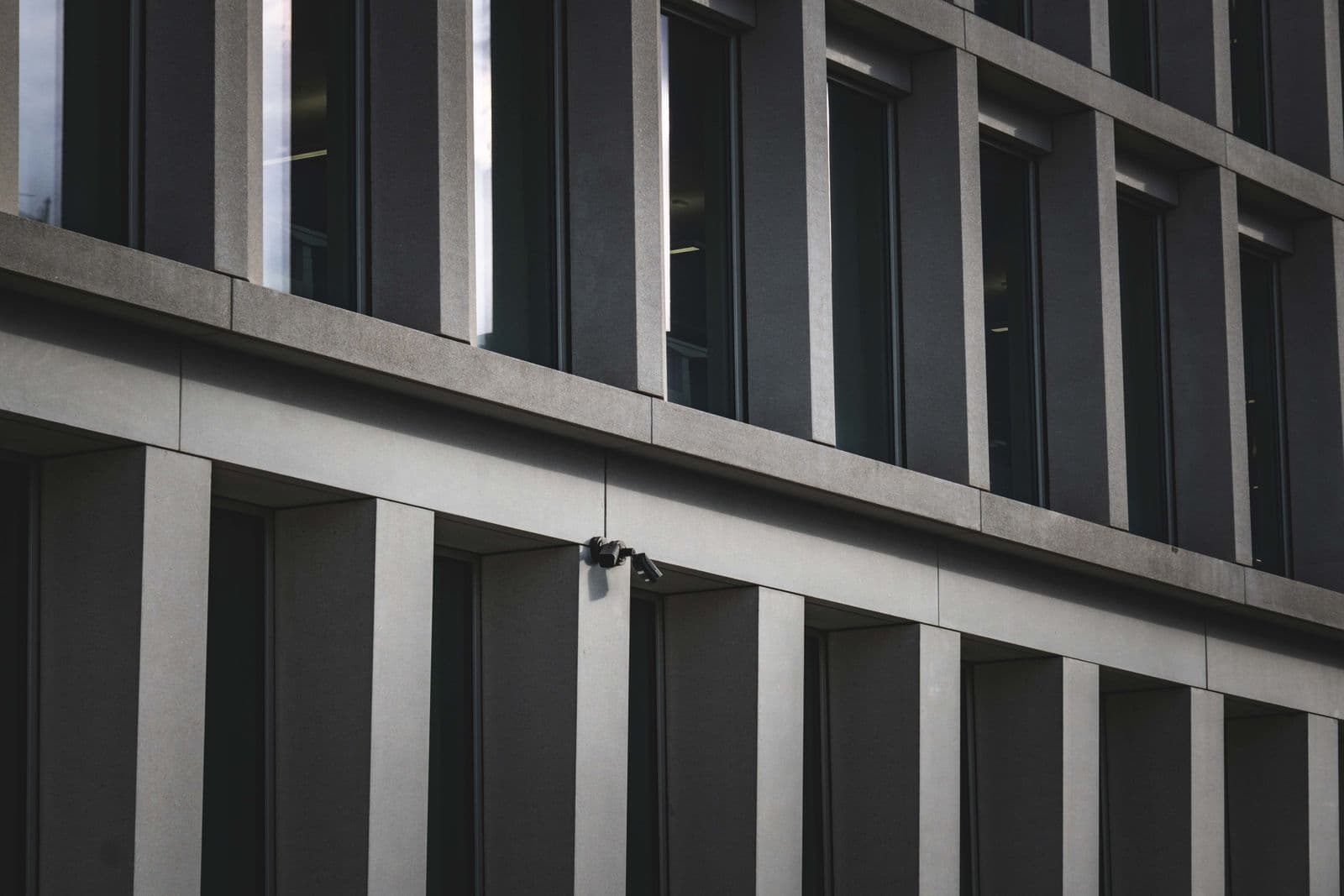
Burglary crews, stalkers, kidnappers and hostile investigators have one thing in common: they do their homework. Before anything happens to a person, a family or a property, someone almost always spends time watching — establishing routines, testing reactions, photographing approaches.
This is the most useful fact in private security, because surveillance is a vulnerable activity. It happens in public, it takes time, and it makes patterns. If you can see it, you can collapse a threat before it forms.
What it actually looks like
Forget the parked van with blacked-out windows. Real hostile surveillance looks like a jogger who stretches a little too long opposite the gate. The same face at the coffee shop near the office on Tuesday and outside the gym on Friday. A car that makes the same three turns you do at seven in the morning. A "delivery driver" who photographs the house and delivers nothing.
One sighting means nothing — cities are full of coincidence. What matters is correlation across time and place. That is why we teach households a simple rule: note it, time it, don't react to it. Reaction tells a professional watcher they've been seen; a note tells us whether the same person keeps appearing.
If you suspect you are being watched
Do not confront anyone, and do not change your behaviour abruptly. Both hand information to the other side. Record what you saw — person, vehicle, time, place — and get professional eyes on the problem. A counter-surveillance team can confirm or dismiss hostile interest within days, and evidence gathered properly is usable if the matter ever reaches law enforcement or the courts.
Talk this through with someone who does it every day.
A confidential conversation costs nothing and commits you to nothing.
Private Client Enquiry